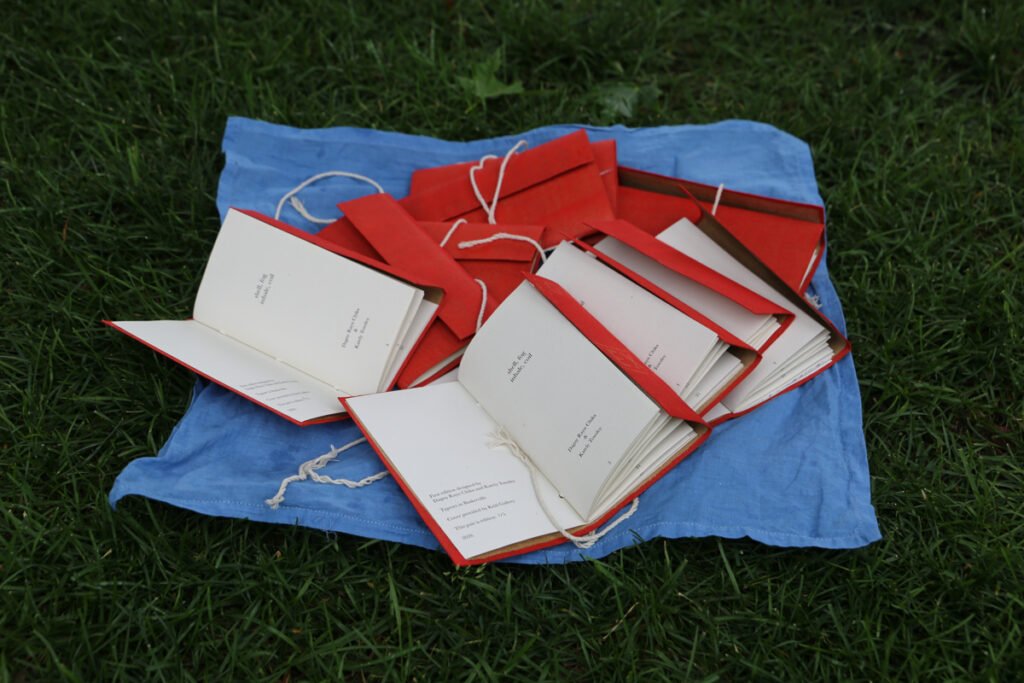
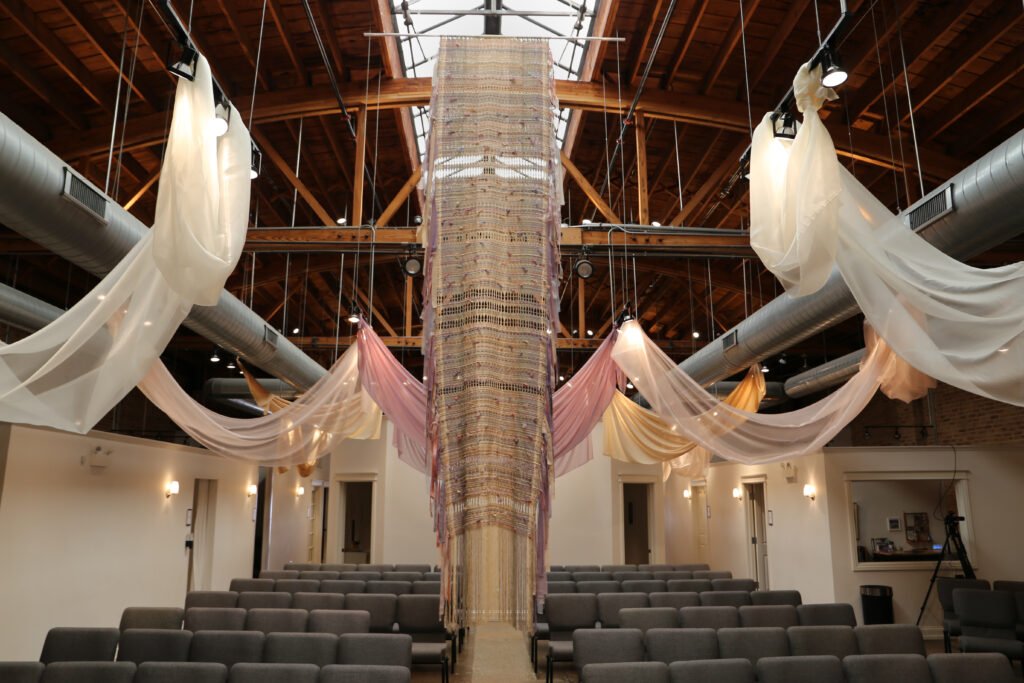
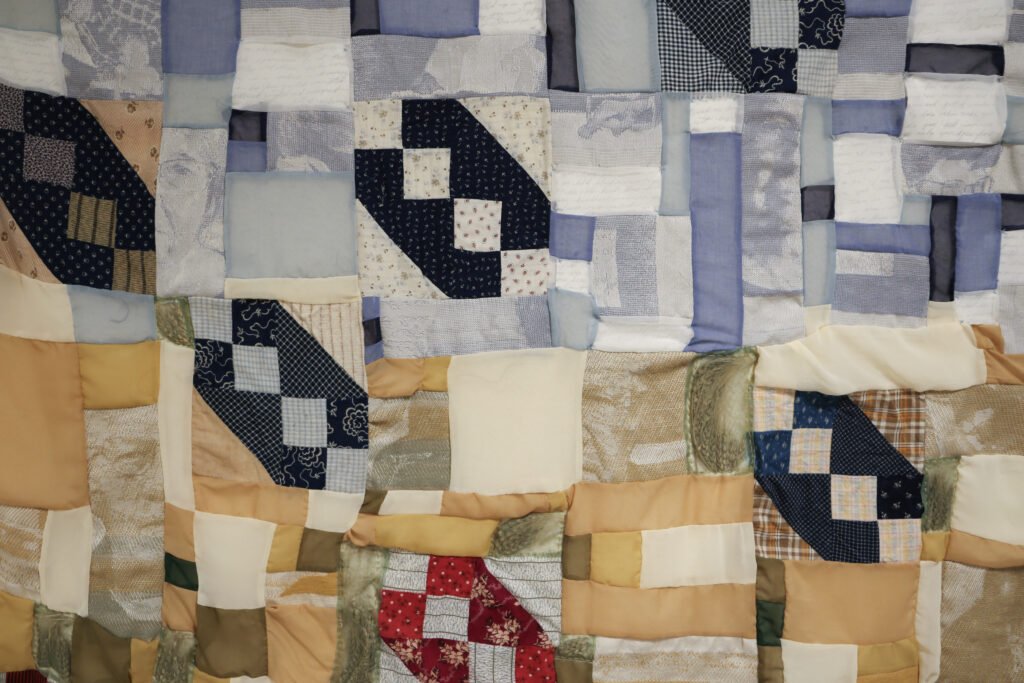
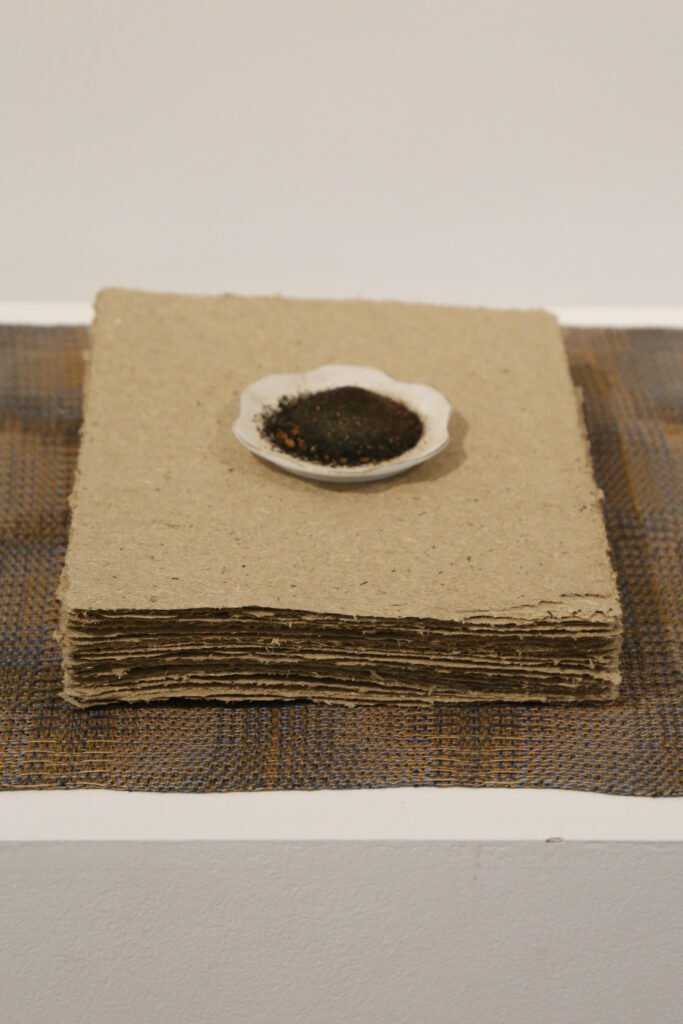
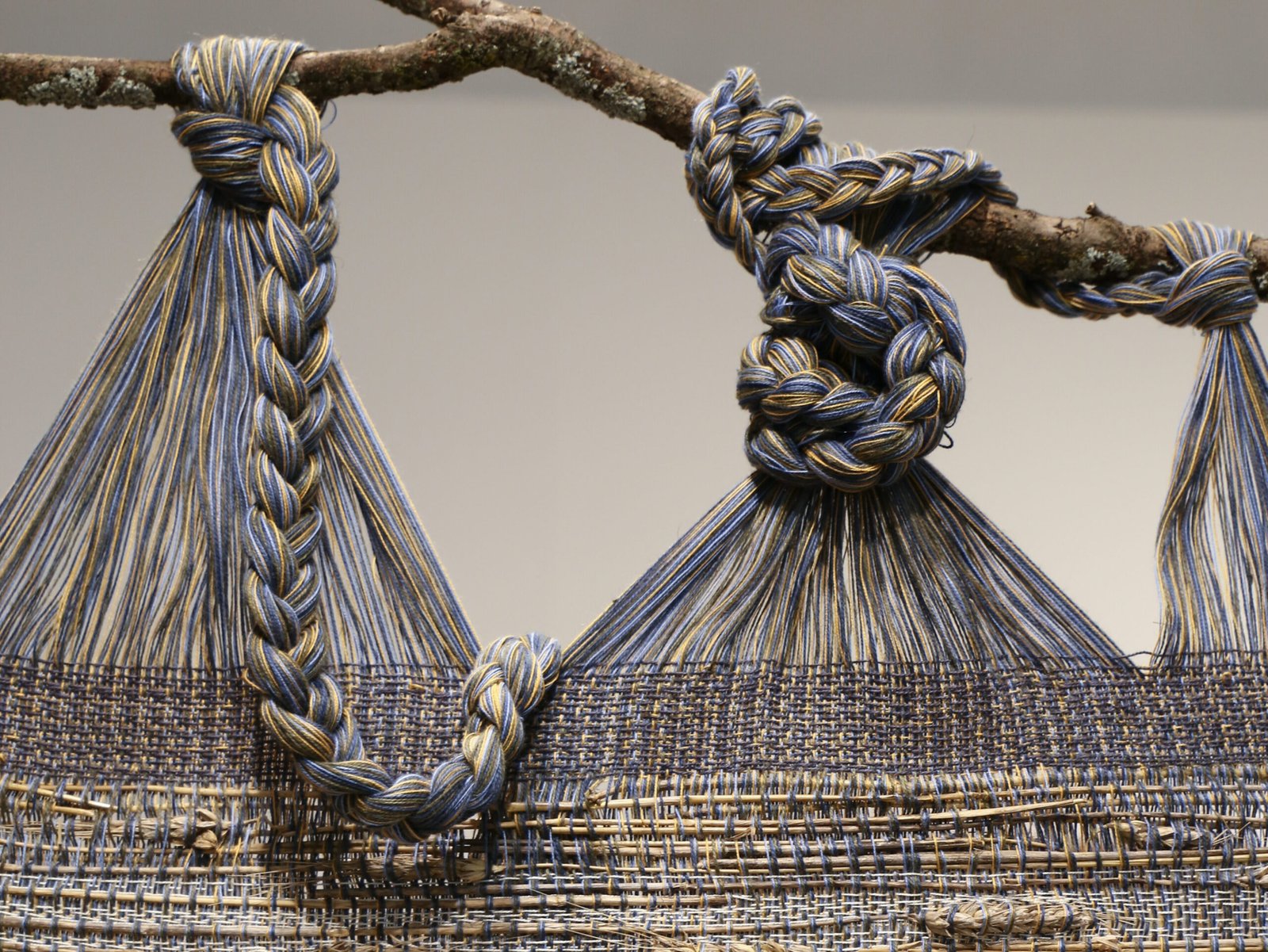
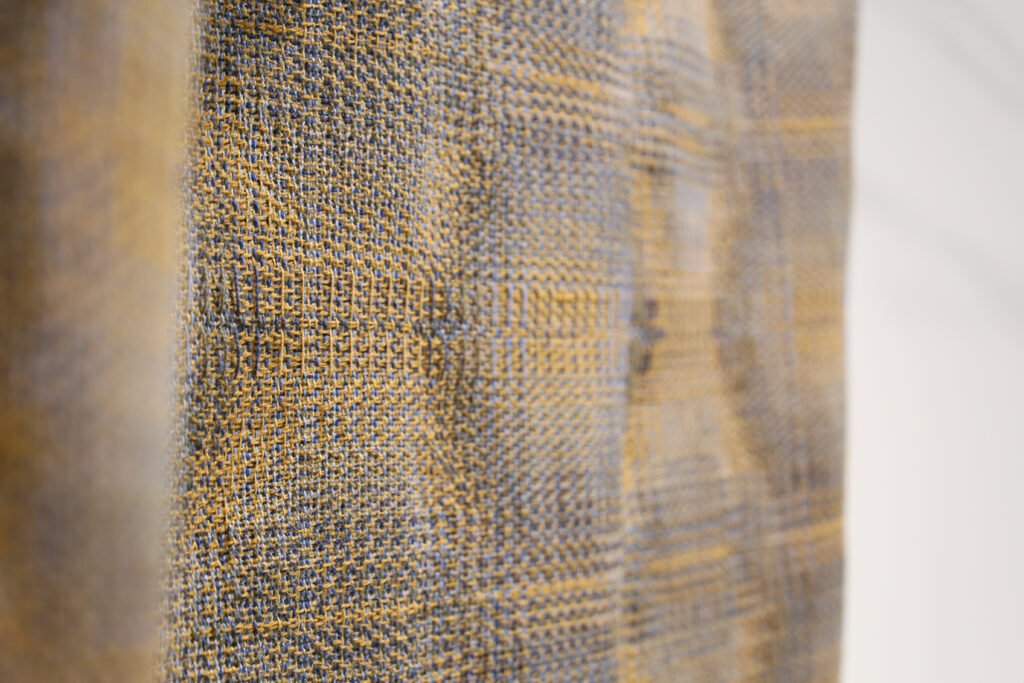
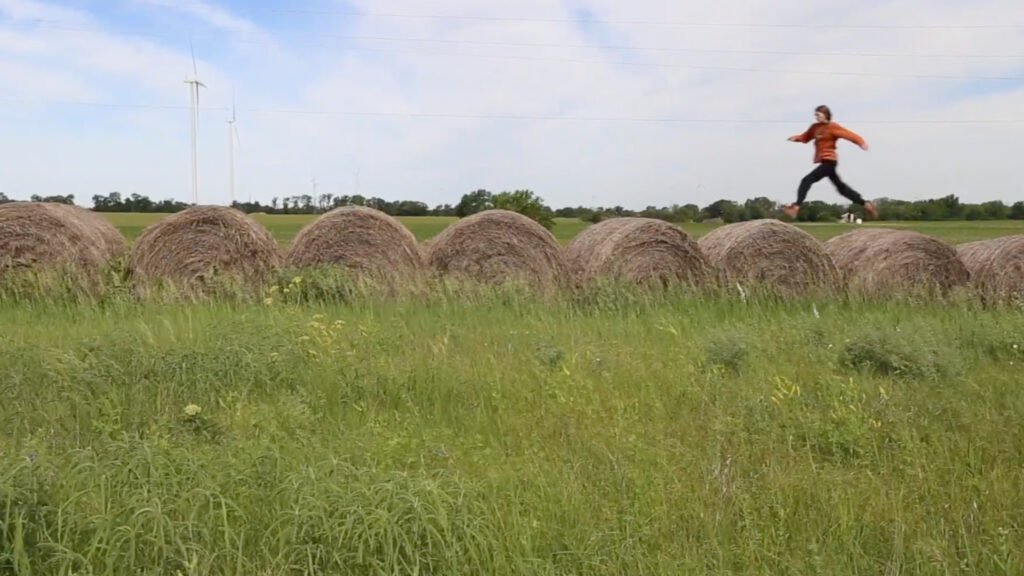
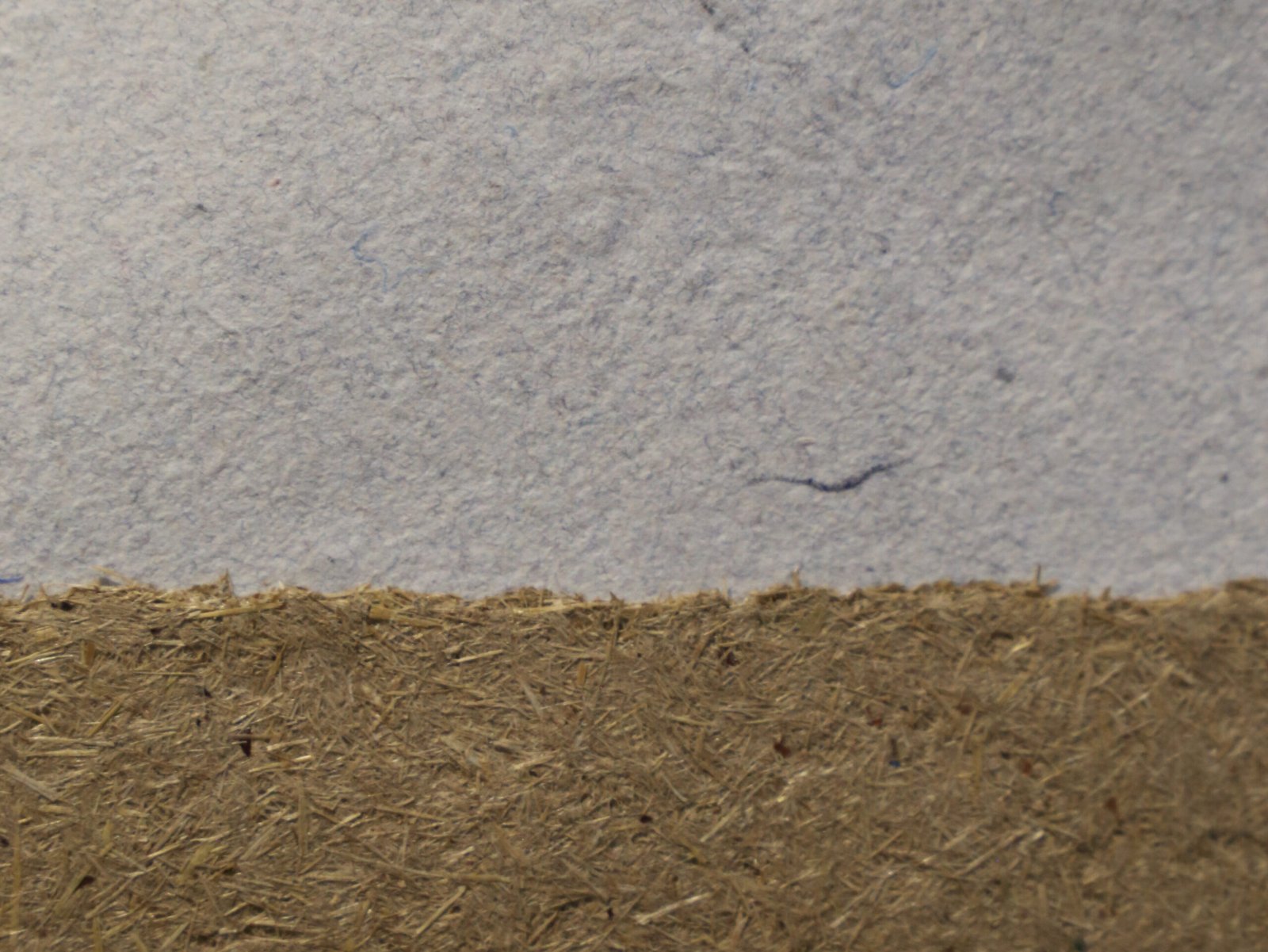
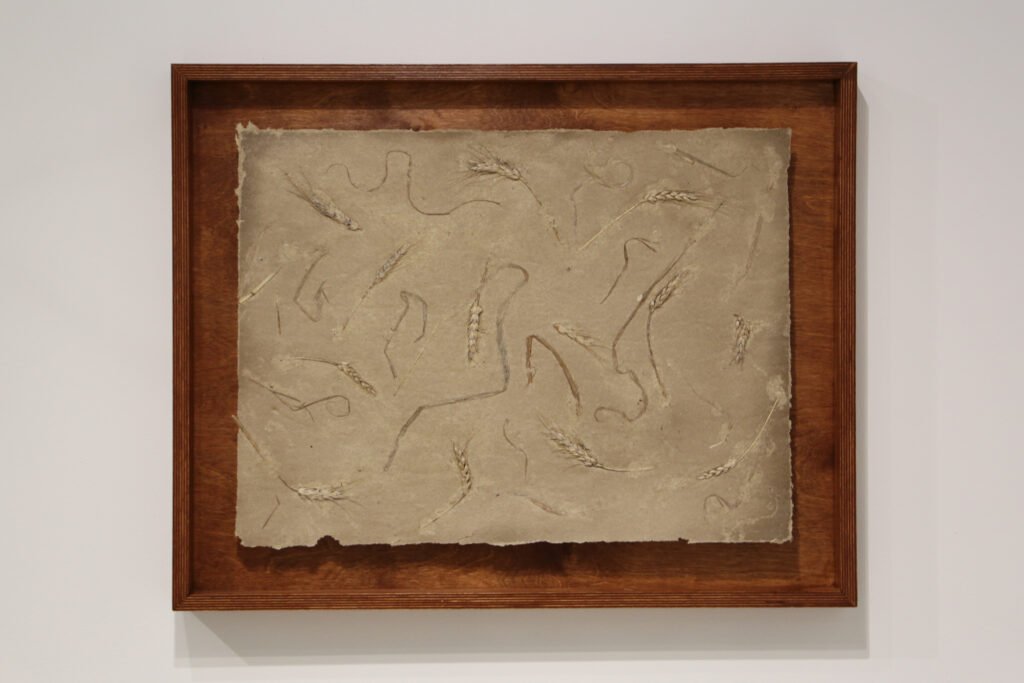
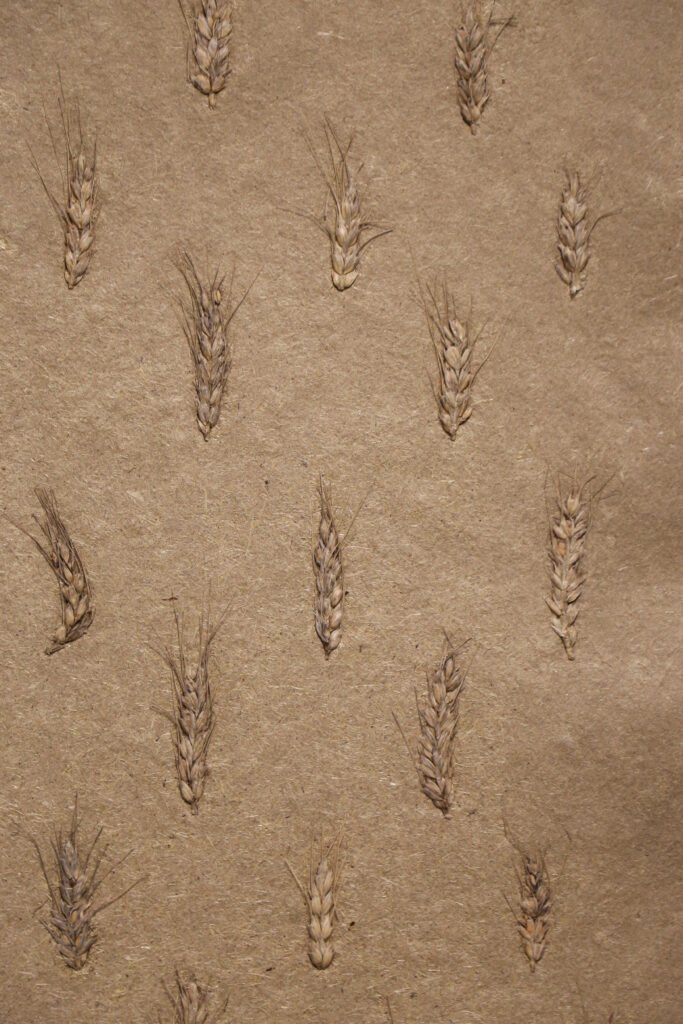
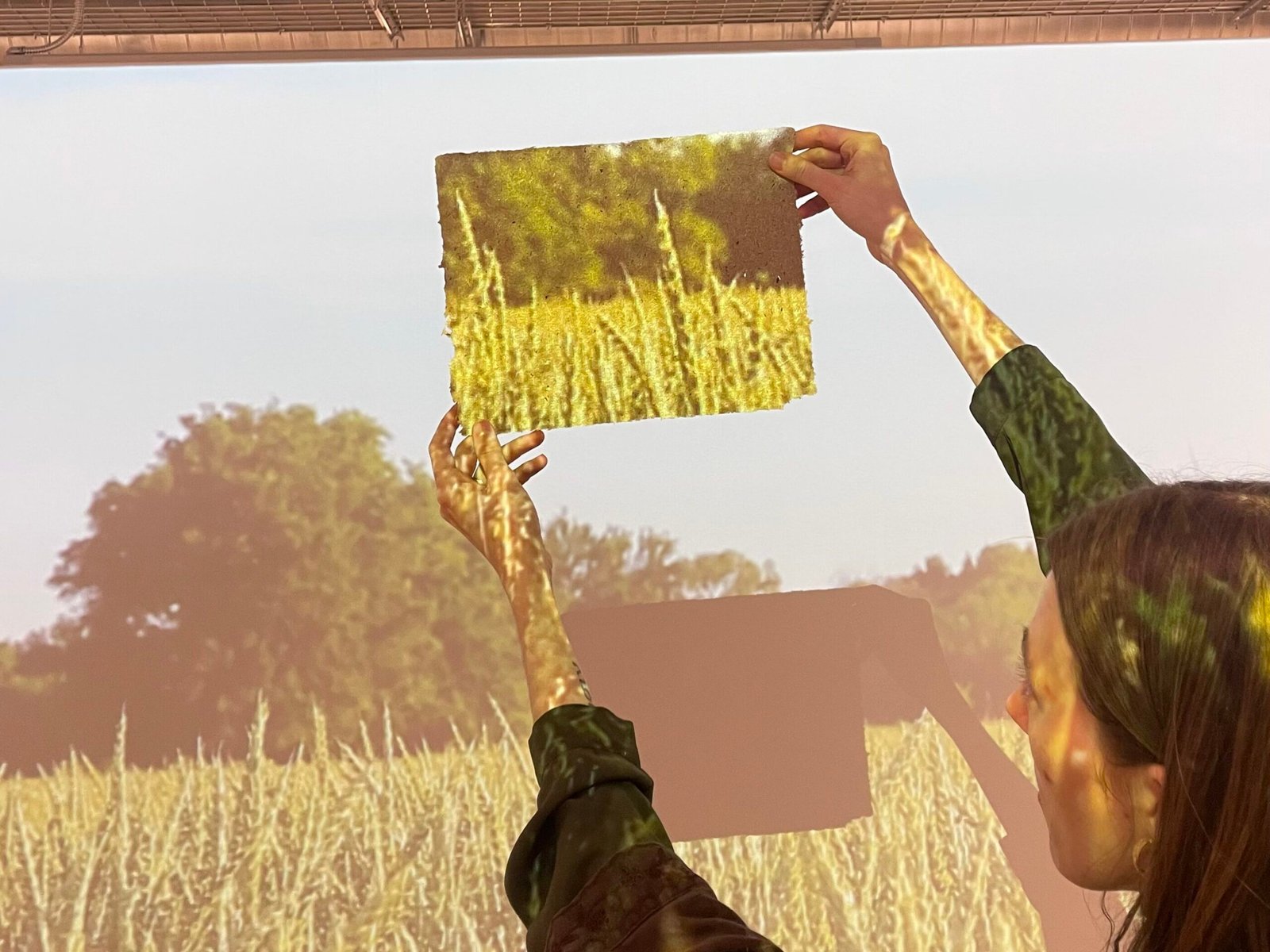
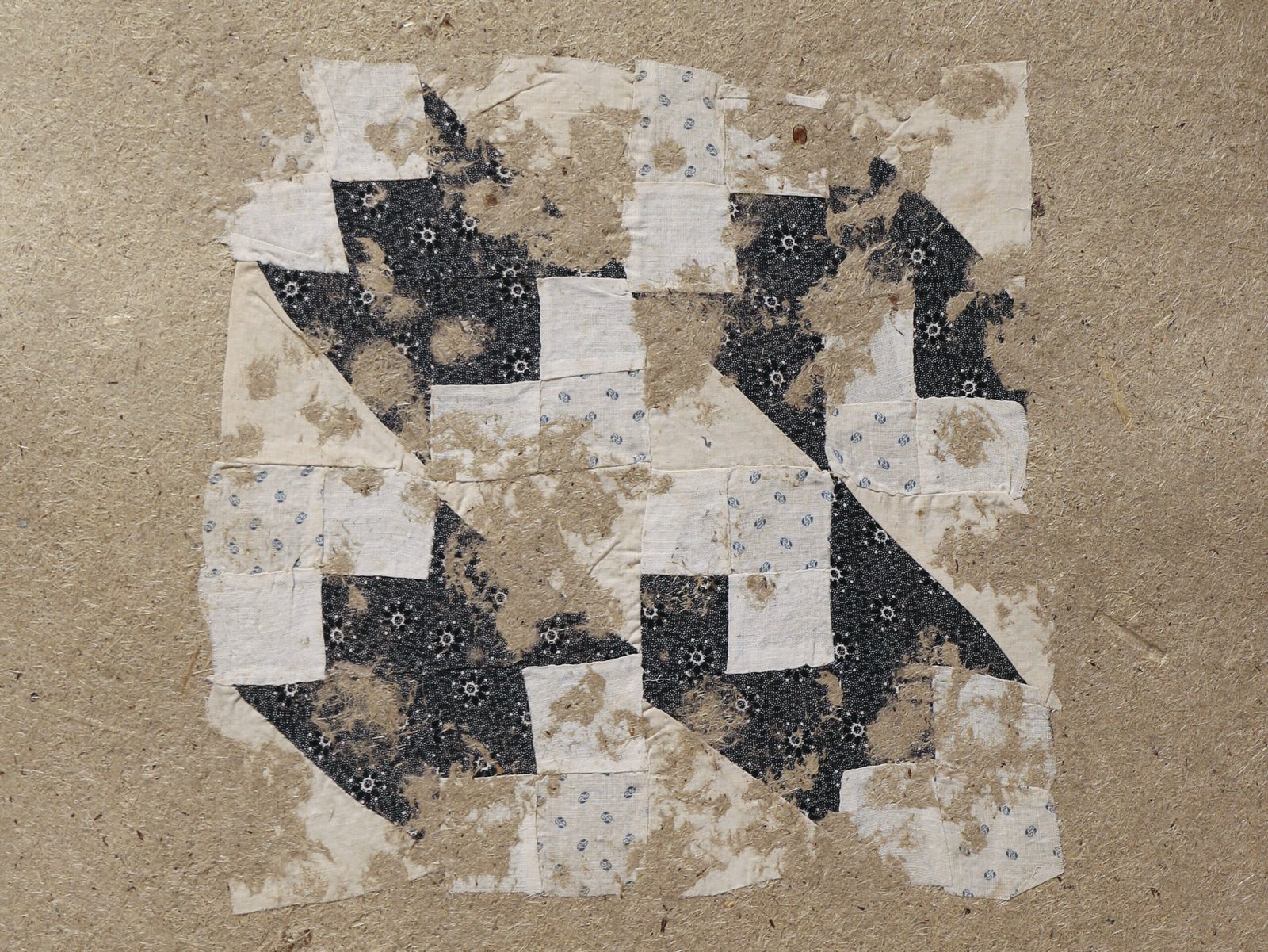
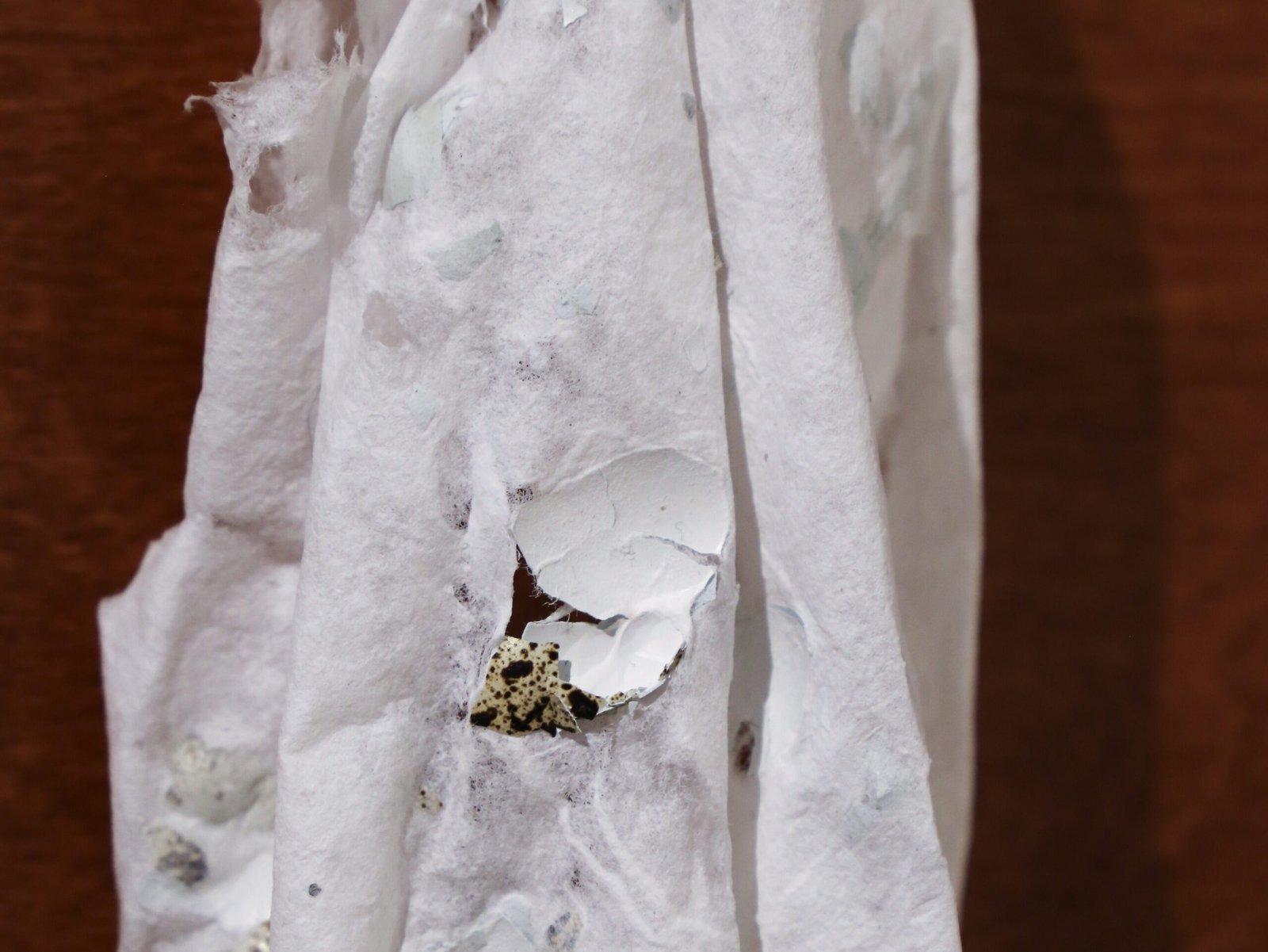
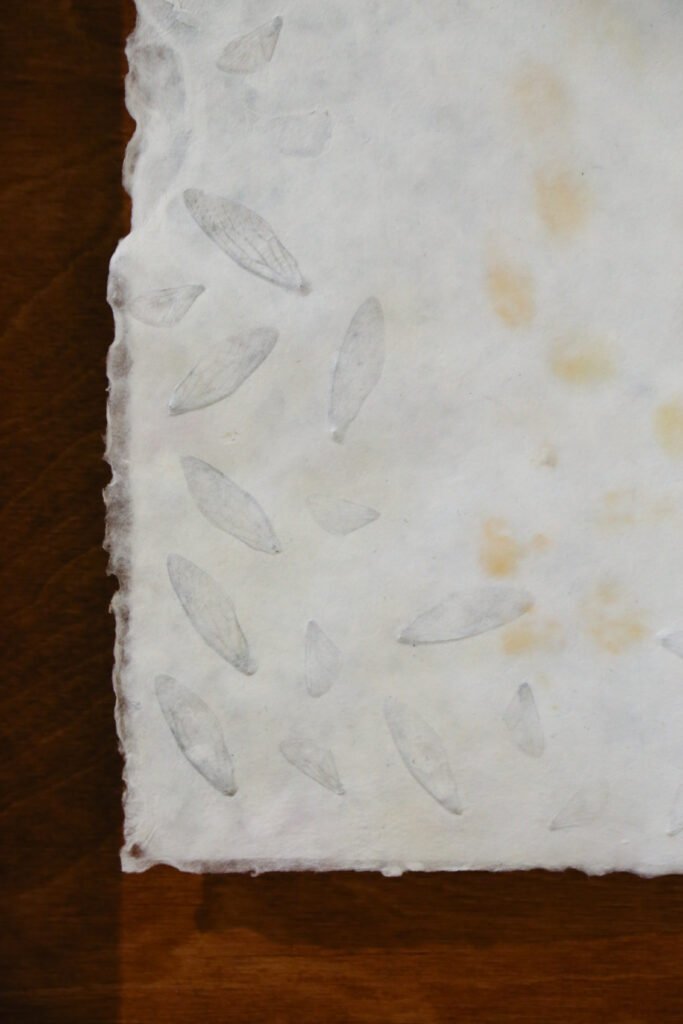
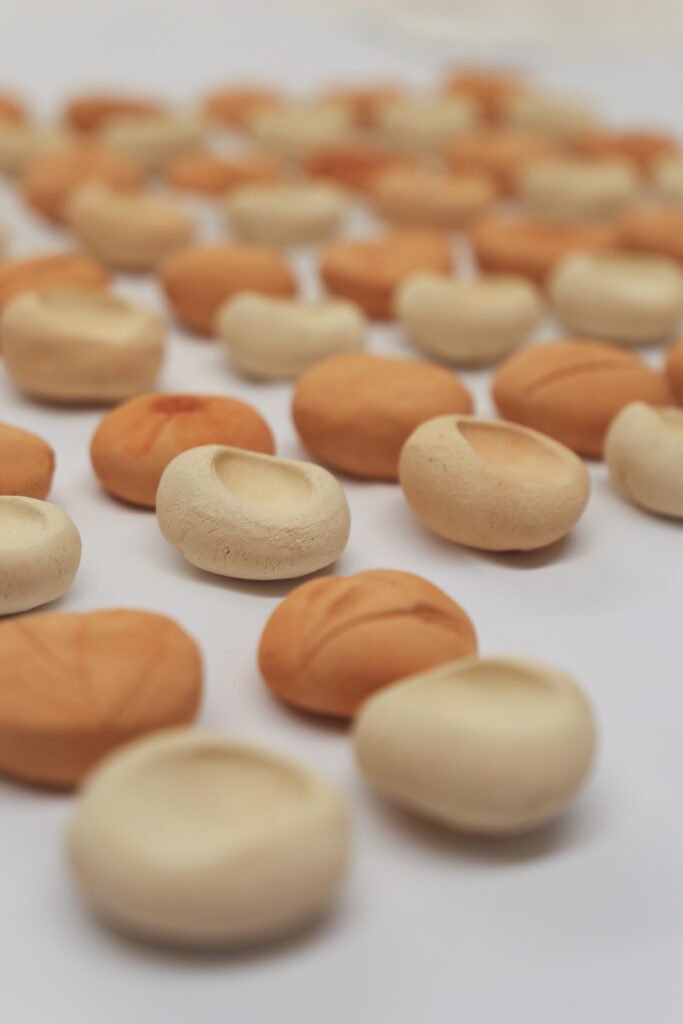
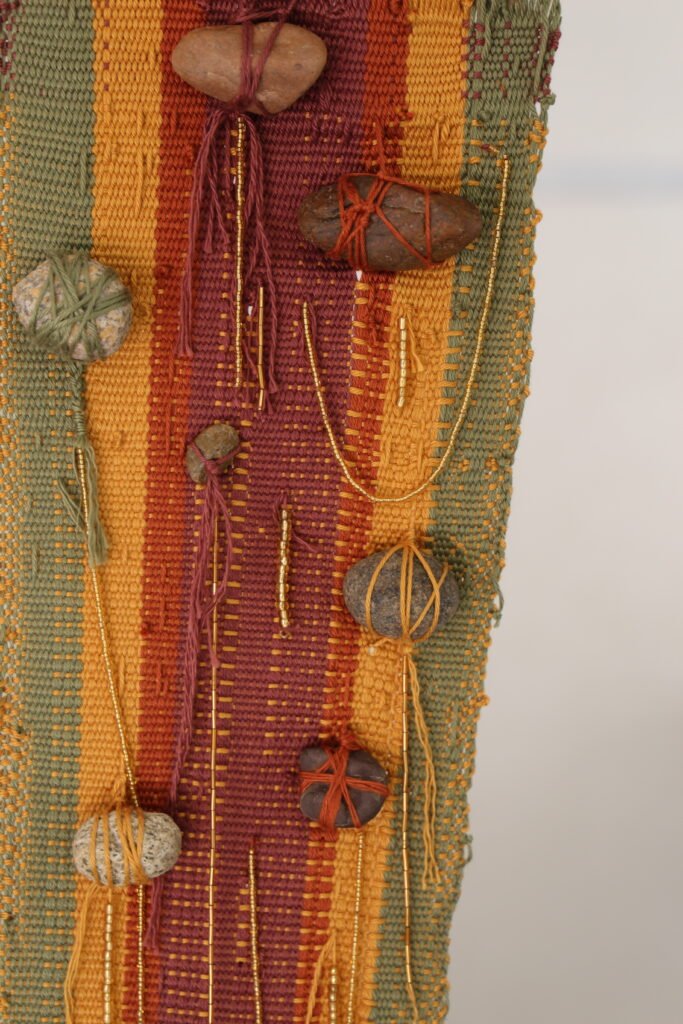
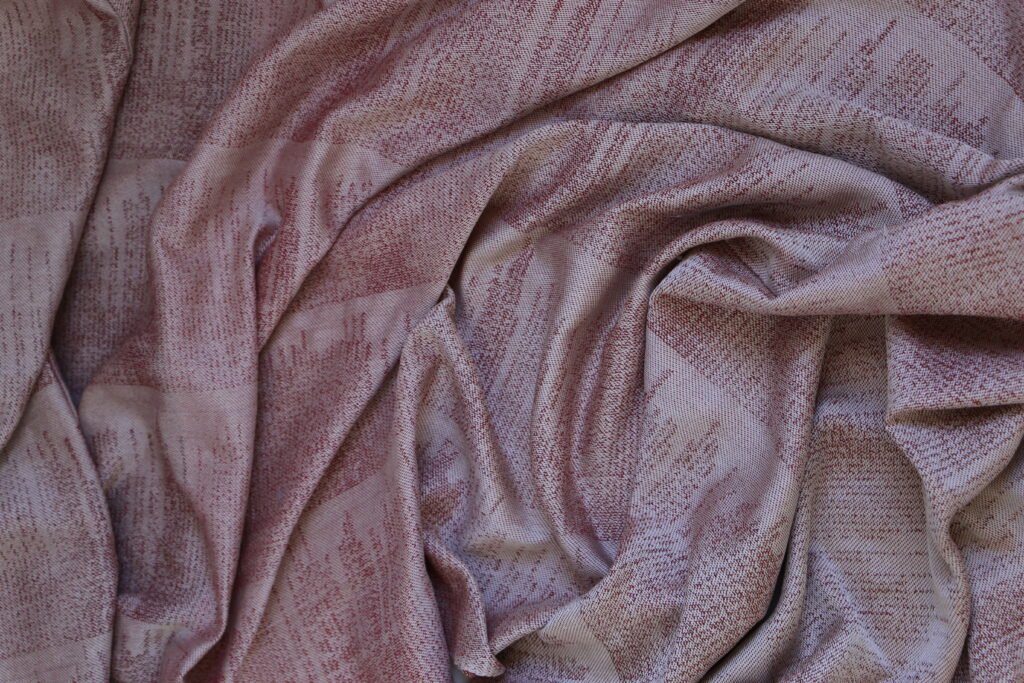
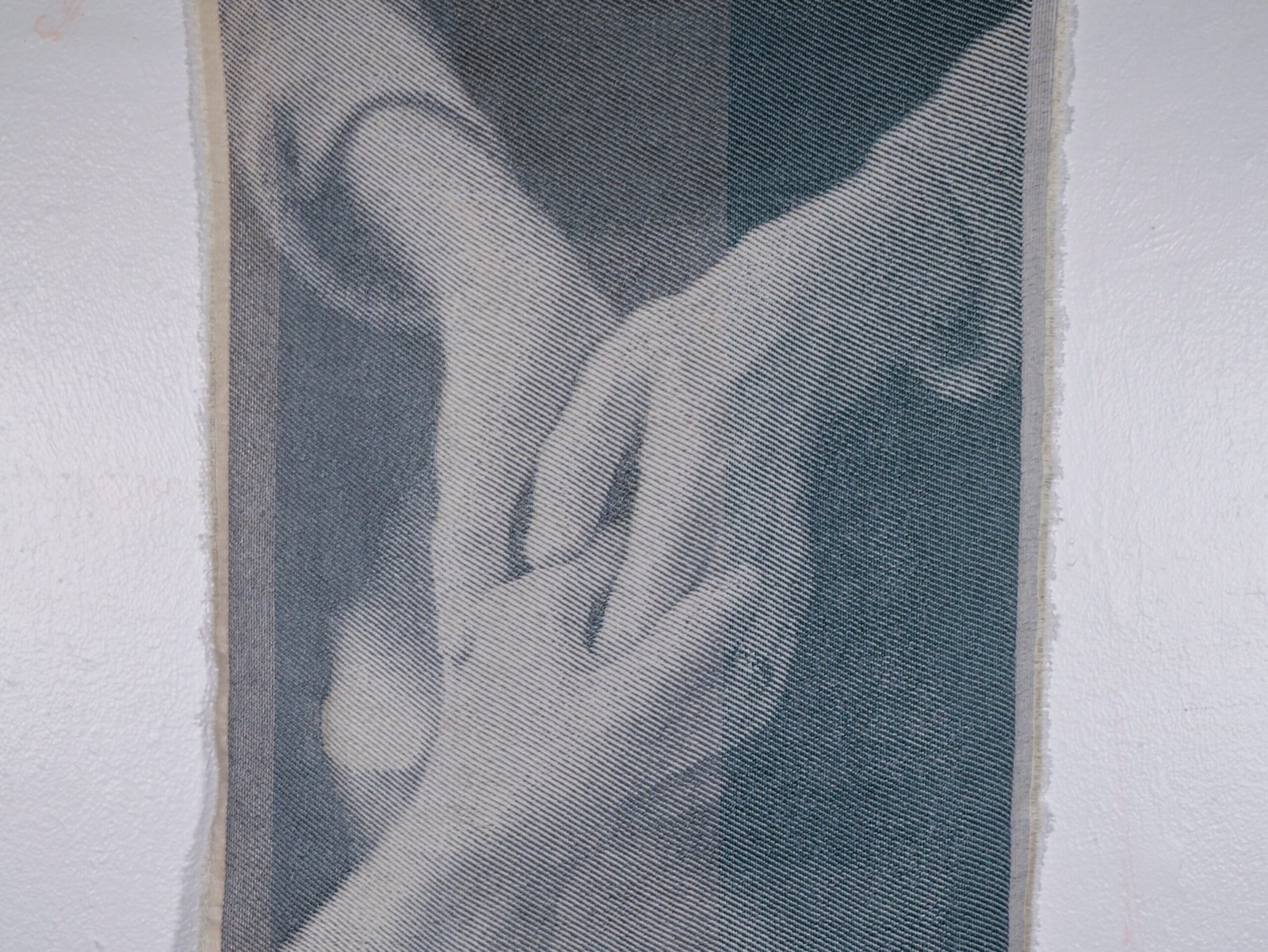
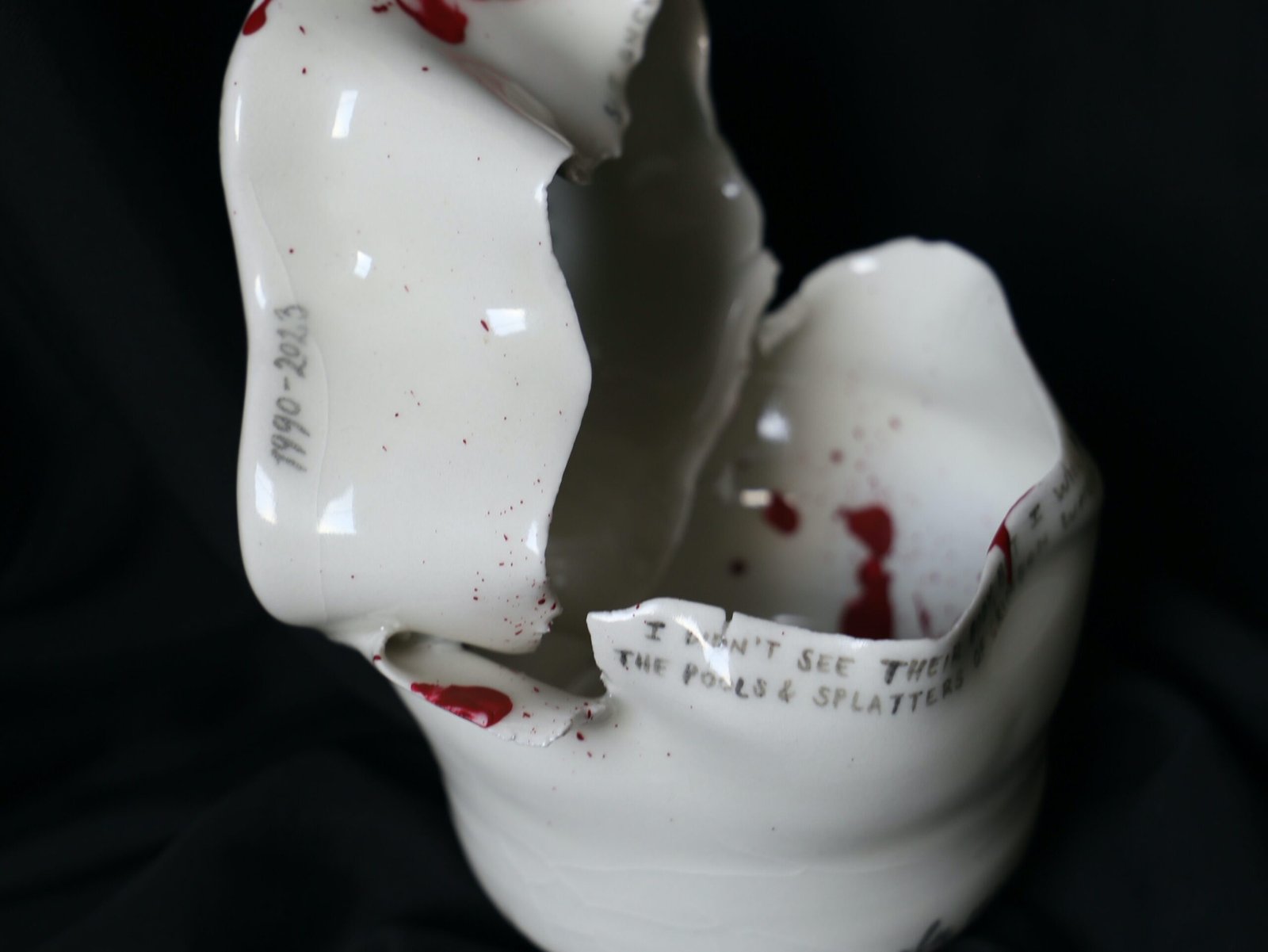
in the field exhibition shot as part of the SAIC Graduate Exhibition I (2026), Chicago

luontosuhde (our connection to the land, to the earth)

undone

this never-ending violence

mourning ascends, passing into joy

Coming

For the Nations

2021, rocks, enamel paint, sand, faux fur rug, canvas

To Those at the Brick Kilns

2020 | Handmade earthenware bricks, videoed performance, audio reading accessible by QR code (excerpt from Gary Haugen & Victor Boutros’ book, The Locust Effect) Duration of videoed performance: 7 hours

I began just before sunrise when the world was still hushed and purple.

The red Oklahoma earth was cool to the touch, and eagerly coated my hands when I grabbed my first fistfuls.

I shoved the clay soil into my wooden mold, packed more where it wasn’t dense enough, flipped the mold over, and pulled the two halves of the mold up and apart to release the soft brick form. I re-shaped the form where it was most uneven, lifted the tender brick gingerly, and set it aside; I then repeated this action one-hundred times over.

With each brick, it grew increasingly difficult to force the wet clay out of the wooden mold and as time drug on it grew increasingly difficult to reach over and grab another handful of dirt, to keep my hair out of my eyes, to stand up, to place a finished brick out-of-the-way, to sit up, to keep my eyes open; everything became arduous. I thought I would sit and contemplatively form brick after brick pondering deep thoughts about the injustice of others’ situations around the globe; and while this type of thinking certainly occurred, it did not last seven-and-a-half-hours. I had an hour or two where I was thinking fixedly about different places, peoples, and industries where slavery is operating and wondering about solutions, even if only by way of a small artwork, for now. The rest of my time, my mind wandered.

I began thinking about almost nothing, preferring to mentally count how many bricks I had made and countdown how many I had to go. I arranged the bricks in vertical columns of five in a semi-circle around me so that I could easily re-count them for my mental addition games; I kept forgetting how many I had made, how many I had to go— even though that’s all I was thinking about.

My lower back would ache so much that sometimes the only solution was to lay completely flat— I think I drifted to sleep once. My knees would give me sharp pinches when I shifted or stood, yelping at me that I had been putting too much weight on them for too long. I allowed for one water break where I also enjoyed an apple. The water was warm, yet to me it was incredibly refreshing. At first, I handled the apple with a paper towel because my hands were filthy, but by the time I reached its core I had discarded the towel in exchange for more immediate access to the sweet juicy flesh of the fruit. At some point, I felt myself needing to use the restroom but was too far into the performance to give up or pause my task, so I kept on. The pain caused by holding my bladder was unbearably distracting and thought-consuming.

My bricks became more and more crude, less and less uniform, and I parallel their increasing incongruity with the deterioration of my energy and will. I only made it seven-and-a-half hours. Then I stopped, got in my air-conditioned car, went to my house, ate, showered, then slept until the next morning.

I had no one lording over me or threatening to beat me if I wasn’t going fast enough or doing well enough, I had no worries about if I would get food afterwards, get to relieve myself in the privacy of the bathroom in my home, or get to sleep in my bed without fear of intrusion.

This is not the experience of a person facing slavery;

where the presence of fear and the threat of violence is perpetual.

Hallowed be Your Name

2021, prayer room installation, paper, pins, salt lamp, rug, cloth, music on loop: "Stillness" (05:02) Dwell: Linger album (2018)